

How Gasoline Direct Injection Engines Create Stubborn Carbon Buildup
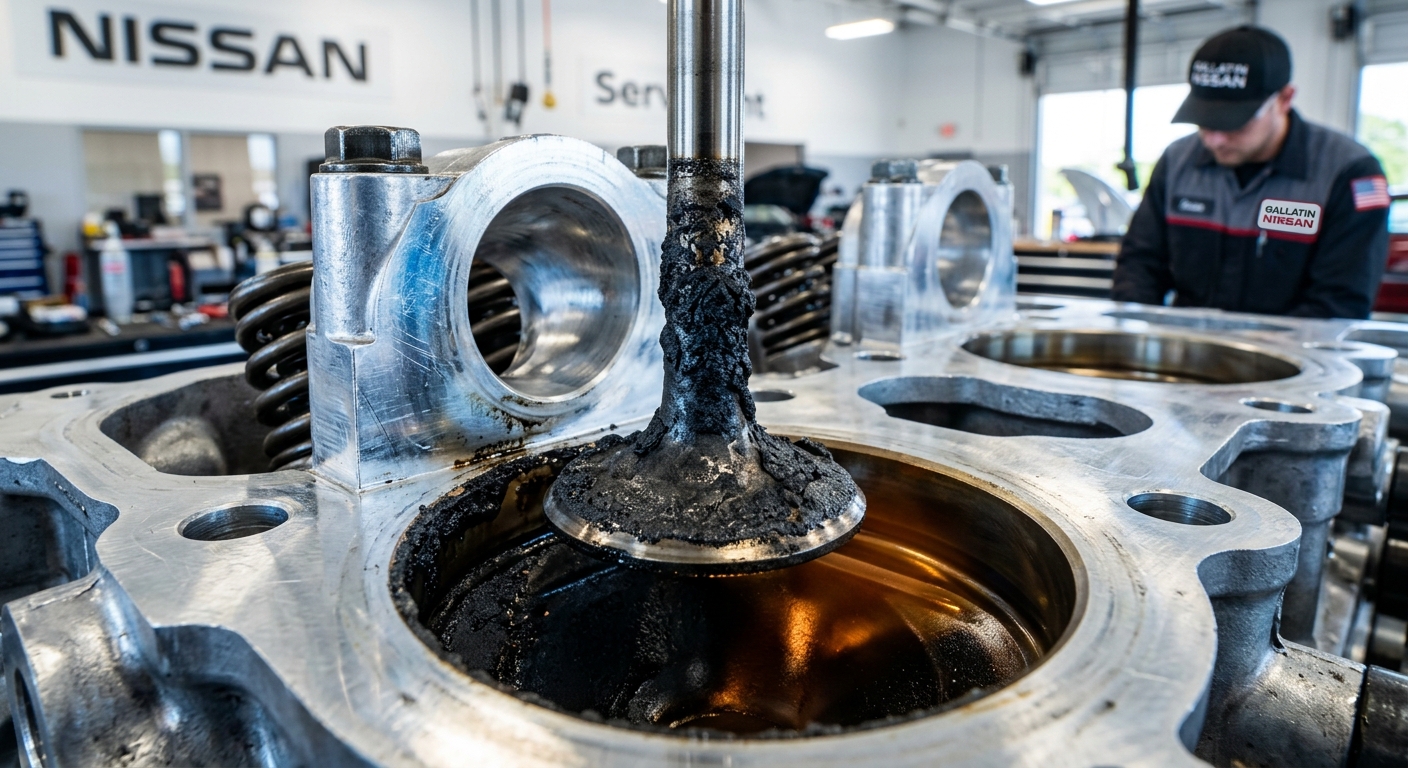
Modern internal combustion engines increasingly rely on Gasoline Direct Injection to meet strict performance and efficiency standards. In a traditional port fuel injection system, gasoline is sprayed into the intake port, where it mixes with air before entering the combustion chamber. This continuous spray of fuel washes over the intake valves, keeping them clean. In contrast, a GDI engine sprays highly pressurized fuel directly into the combustion chamber. While this design optimizes fuel atomization and combustion efficiency, it means the intake valves never receive a cleaning bath of gasoline.
Over time, this architectural difference leads to significant carbon deposits. As the engine runs, oil vapors from the crankcase and unburned fuel from the exhaust gas recirculation system pass back through the intake manifold. Because there is no fuel spray to wash these deposits away, they bake onto the hot intake valves, forming a hardened layer of carbon. For drivers navigating the moderate hills and rural routes around Cross Plains, maintaining consistent engine power is essential when towing equipment or traveling between farms, but heavy carbon buildup slowly chokes off the air supply.
When the intake valves are coated in carbon, the airflow into the combustion chamber becomes restricted and turbulent. This disruption prevents the engine from achieving its designed air-fuel ratio, resulting in visible performance issues. If you notice a rough idle, hesitation when accelerating, or a sudden drop in fuel efficiency, carbon buildup is the likely culprit. To address these issues early, drivers can find expert diagnostic support at local dealership options.
If these deposits are left unchecked, the carbon continues to accumulate until the valves can no longer seal properly. This can lead to engine misfires, a loss of compression, and an illuminated check engine light. For comprehensive maintenance or to discuss upgrading your vehicle, you can reach our service team at (615) 442-3090 or visit our physical dealership location. We also welcome community members to explore our regional automotive center and ask about our annual car giveaway program during their visit.
Table of Contents
- The Science Behind the BG GDI Fuel System Service
- Is BG 44K Fuel System Cleaner Available to the Public?
- Comparing Professional GDI Induction Cleaning with Standard Tank Additives
- Restoring Horsepower and Improving Fuel Economy
- Determining the Right Maintenance Schedule for Your Direct Injection Engine
- Common Concerns Regarding GDI Engines and BG Maintenance Products
- Protecting Your Automotive Investment with Specialized Engine Care
- Quick Answers About GDI Fuel System Care
The Science Behind the BG GDI Fuel System Service
Restoring the factory-designed flow of air and fuel requires a highly targeted chemical intervention. The BG Platinum Fuel/Air Induction Service is a professional-grade cleaning procedure engineered specifically to address the unique carbon accumulation patterns of direct-injection engines. Unlike basic additives, this service utilizes specialized equipment to deliver powerful cleaning agents directly to the areas that fuel cannot reach.
The process begins by introducing BG GDI Intake Valve Cleaner into the air intake system. This chemical is delivered as a fine, atomized mist that travels along the exact path of the intake air. As the mist washes over the hot intake valves, it chemically breaks down and liquefies the hardened carbon deposits. This allows the dissolved carbon to pass safely through the combustion chamber and out of the exhaust system without damaging sensitive internal components.
Simultaneously, the service addresses the fuel delivery side. A technician runs BG Fuel Injection & Combustion Chamber Cleaner through the fuel rail to target the high-pressure fuel injectors. Because direct-injection nozzles sit directly inside the combustion chamber, they are exposed to extreme heat and pressure, making them highly susceptible to fuel-varnish deposits. Cleaning these injector tips restores the precise spray pattern necessary for optimal fuel atomization.
Whether you are driving highly efficient all-electric vehicle models that require no fuel maintenance, or traditional powertrain options like our efficient midsize sedans, understanding how different propulsion systems maintain their efficiency is key to long-term ownership. For those interested in larger options, exploring our selection of SUVs and crossovers can help you find a vehicle that fits your specific family and driving needs.
Is BG 44K Fuel System Cleaner Available to the Public?
Many of our customers ask whether they can simply purchase specialized fuel system cleaners to perform GDI maintenance at home. The short answer is yes: BG 44K is available for purchase by the general public. While it is primarily formulated for professional use and distributed through authorized service centers, individual cans can be purchased directly from our parts counter or through select retail channels for DIY application.
However, it is vital to understand what a pour-in fuel additive can and cannot do for a direct-injection engine. When you add a can of BG 44K to your gas tank, the cleaner mixes with the gasoline and travels through the fuel pump, fuel lines, and high-pressure fuel injectors. It does an exceptional job of cleaning the fuel system from the inside out, removing deposits from the injector tips, spark plugs, and combustion chambers. If you drive a model from our midsize truck inventory or are considering one of our premium crossover options, adding this cleaner to your tank periodically is an excellent way to maintain fuel system health.
The physical limitation of any in-tank additive in a GDI engine is that the fuel never touches the backside of the intake valves. Because the fuel is injected directly into the cylinder, the baked-on carbon on the intake valves remains completely unaffected by the additive. Therefore, while pouring a canister of fuel system cleaner into the tank is a great preventative measure for injector health, it cannot replace a professional induction service designed to clean the air intake path.
For owners who prefer to handle basic preventative maintenance at home, you can request replacement components online to ensure you have the correct products for your vehicle. If you are looking to trade up to a newer vehicle with the latest engine technology, you can also browse our new passenger cars to find a model that matches your driving habits.
Comparing Professional GDI Induction Cleaning with Standard Tank Additives
Standard fuel additives poured directly into the gas tank serve a valuable purpose, but their limitations are defined by the physical architecture of the engine. To understand the difference between DIY additives and professional services, it helps to compare how the cleaning agents are delivered to the engine’s internal components.
| Feature | Standard Tank Additives (e.g., BG 44K) | Professional BG GDI Induction Service |
|---|---|---|
| Primary Delivery Method | Mixed with fuel in the gas tank | Atomized mist injected into the air intake |
| Components Cleaned | Injector tips, piston tops, combustion chambers | Intake valves, intake ports, fuel injectors |
| Intake Valve Cleaning | None (fuel bypasses the valves entirely) | Excellent (direct chemical contact with valves) |
| Application Equipment | None (pour-in bottle) | Specialized pressurized atomizing tool |
| Service Frequency | Every 3,000 to 5,000 miles | Every 15,000 to 30,000 miles |
While utilizing top-tier gasoline provides continuous detergent action inside the combustion chamber, it still cannot prevent the accumulation of oil vapors on the dry intake valves. A professional service uses a specialized atomizing tool to bypass the fuel injectors entirely, spraying a pressurized chemical mist directly into the throttle body. This ensures that the cleaning agents physically coat the intake valves, softening the carbon so it can be burned off during combustion.
For those looking to maintain their vehicle’s performance over the long haul, we recommend combining both methods. You can visit our parts department to stock up on preventative additives, or explore our complete new model lineup if you are ready to transition to a vehicle with fresh, clean engine components. If you are looking for a versatile commuter, checking out our compact crossover inventory or our affordable subcompact cars will reveal several highly efficient options.
Restoring Horsepower and Improving Fuel Economy
The accumulation of carbon deposits within a GDI engine directly degrades vehicle drivability and performance over time. As the carbon layers thicken, they act like a sponge, absorbing small amounts of fuel and disrupting the highly engineered airflow patterns required for clean combustion. This restriction leads to a progressive loss of horsepower and a noticeable increase in fuel consumption.
When a professional induction service is performed, the restoration of proper airflow yields immediate, tangible benefits for the driver. By dissolving the carbon restrictions on the intake valves, the engine can breathe freely once again. This restores the precise air-fuel ratio designed by the manufacturer, resulting in smoother acceleration, sharper throttle response, and the elimination of a rough idle or engine hesitation.
Furthermore, clearing these deposits helps eliminate engine knock and pre-ignition issues caused by hot spots of glowing carbon inside the combustion chamber. For commuters who make the daily highway trip from Portland to regional employment hubs, a clean fuel system directly translates to lower weekly fuel expenses. Restoring your engine’s efficiency ensures you get the maximum possible mileage out of every gallon of gas.
If you are looking to maximize fuel efficiency or eliminate fuel costs altogether, you can shop our new electric models to discover the benefits of gas-free driving. For those who prefer traditional combustion or sporty performance, exploring our modern crossover lineup or our high-performance sports cars will provide plenty of options built to deliver an engaging driving experience.
Determining the Right Maintenance Schedule for Your Direct Injection Engine
Proactive maintenance intervals prevent the need for highly invasive and expensive engine teardowns. For vehicles equipped with GDI engines, waiting for a check engine light to illuminate or for severe drivability issues to surface usually means the carbon has already hardened to a point where standard chemical cleaning is less effective.
A professional fuel/air induction service is highly recommended within the 15,000 to 30,000 miles range. Performing the service at these intervals ensures that carbon deposits are addressed while they are still relatively soft and easy to dissolve chemically. If a vehicle is driven primarily on short trips where the engine does not reach full operating temperature, deposits tend to form more rapidly, making the lower end of that mileage range more appropriate.
If a GDI engine has gone untreated for 60,000 miles or more, the baked-on carbon can become extremely dense. In these advanced cases, chemical induction cleaning alone may not fully restore the valves. Technicians must then perform walnut-shell blasting, a process that involves removing the intake manifold and physically blasting the valves with crushed walnut shells under pressure to chip away the hardened carbon.
Keeping up with this routine maintenance is especially important for larger family vehicles. If you are currently driving or shopping from our three-row adventure vehicles or our full-size family SUVs, staying on top of engine maintenance ensures your vehicle remains reliable for family road trips. For those interested in alternative powertrains, checking out our plug-in hybrid inventory offers a great balance of electric efficiency and gasoline backup.
Common Concerns Regarding GDI Engines and BG Maintenance Products
Introducing chemical cleaning agents into a high-precision engine naturally raises questions about safety and component wear. Many drivers worry whether the aggressive solvents used to dissolve carbon could potentially damage sensitive engine parts, seals, or exhaust components.
Fortunately, BG professional maintenance products are specifically formulated and tested to be completely safe for use in modern powertrains. This includes vehicles equipped with turbochargers, which operate under extreme heat and tight tolerances. The chemical formulations are designed to dissolve carbon into microscopic particles that pass harmlessly through the exhaust turbine without causing abrasive wear or balance issues.
Additionally, the dissolved carbon and chemical runoff will not degrade or damage catalytic converters or oxygen sensors. Because the cleaning process is controlled and gradual, it prevents large chunks of carbon from breaking off and clogging the exhaust catalyst. Routine professional maintenance using these compatible, high-quality chemicals helps preserve your engine’s longevity without risking damage to its emission control systems.
If you are currently driving an older vehicle and are concerned about the cost of keeping up with specialized maintenance, you can browse our budget-friendly pre-owned vehicles to find a low-maintenance alternative. We also encourage you to shop our current car inventory, including our popular compact sedan lineup, to find a vehicle backed by a comprehensive factory warranty. For those navigating challenging credit situations, our finance department offers specialized credit assistance programs to help you get behind the wheel of a reliable vehicle.
Protecting Your Automotive Investment with Specialized Engine Care
Maintaining a modern direct-injection engine requires a deliberate combination of routine maintenance and professional-grade services. While GDI engines offer outstanding power and efficiency, preventing carbon buildup is essential to keeping those benefits intact over the lifespan of your vehicle. By incorporating regular GDI fuel system services into your maintenance plan, you protect your engine from premature wear and ensure a smooth, responsive drive.
If you are ready to experience the difference a professionally maintained vehicle makes, we invite you to browse our selection of new models or speak with our service team about scheduling an induction cleaning. You can plan your next visit by getting directions to our showroom or by giving us a call at (615) 442-3090. Before you arrive, you can also streamline the process by evaluating your current vehicle’s trade-in value and submitting an online auto loan application.
Quick Answers About GDI Fuel System Care
Q: Is BG 44K safe to use in every single tank of gas?
BG 44K is a highly concentrated, professional-grade fuel system cleaner that is not intended for use with every fill-up. Instead, it is designed for intermittent application, typically once every 3,000 to 5,000 miles, to keep fuel injectors and combustion chambers clean. Using it too frequently is unnecessary and does not provide additional performance benefits.
Q: Does using Top Tier gasoline prevent carbon buildup on GDI intake valves?
While Top Tier gasoline contains high-quality detergent additives that keep fuel injectors and combustion chambers clean, it cannot prevent carbon buildup on GDI intake valves. Because GDI engines inject fuel directly into the cylinder, the gasoline never washes over the backside of the intake valves, allowing oil vapors to accumulate and bake onto the dry metal surfaces.
Q: How long does a professional GDI induction cleaning service typically take?
A professional GDI fuel/air induction service generally takes between 60 and 90 minutes to complete. The service requires specialized equipment to slowly atomize the cleaning chemicals into the air intake while the engine is running, ensuring the solvents have adequate time to safely dissolve the baked-on carbon.
Q: Can severe carbon buildup trigger a check engine light?
Yes, heavy carbon deposits can restrict airflow and prevent the intake valves from sealing completely. This disruption can cause engine misfires, rough idling, and combustion instability, which will trigger diagnostic trouble codes and illuminate the check engine light on your dashboard.
Q: Will having a BG GDI service performed void my vehicle’s manufacturer warranty?
No, performing routine professional maintenance using OEM-compatible, high-quality cleaning products like those from BG does not void your vehicle’s manufacturer warranty. In fact, keeping the intake valves and fuel system clean helps prevent component failures that could lead to denied warranty claims in the future.
0 comment(s) so far on How Gasoline Direct Injection Engines Create Stubborn Carbon Buildup