The Hidden Costs of Poor Gas Mileage: Why Your Fuel Economy is Dropping
May 28th, 2026 by
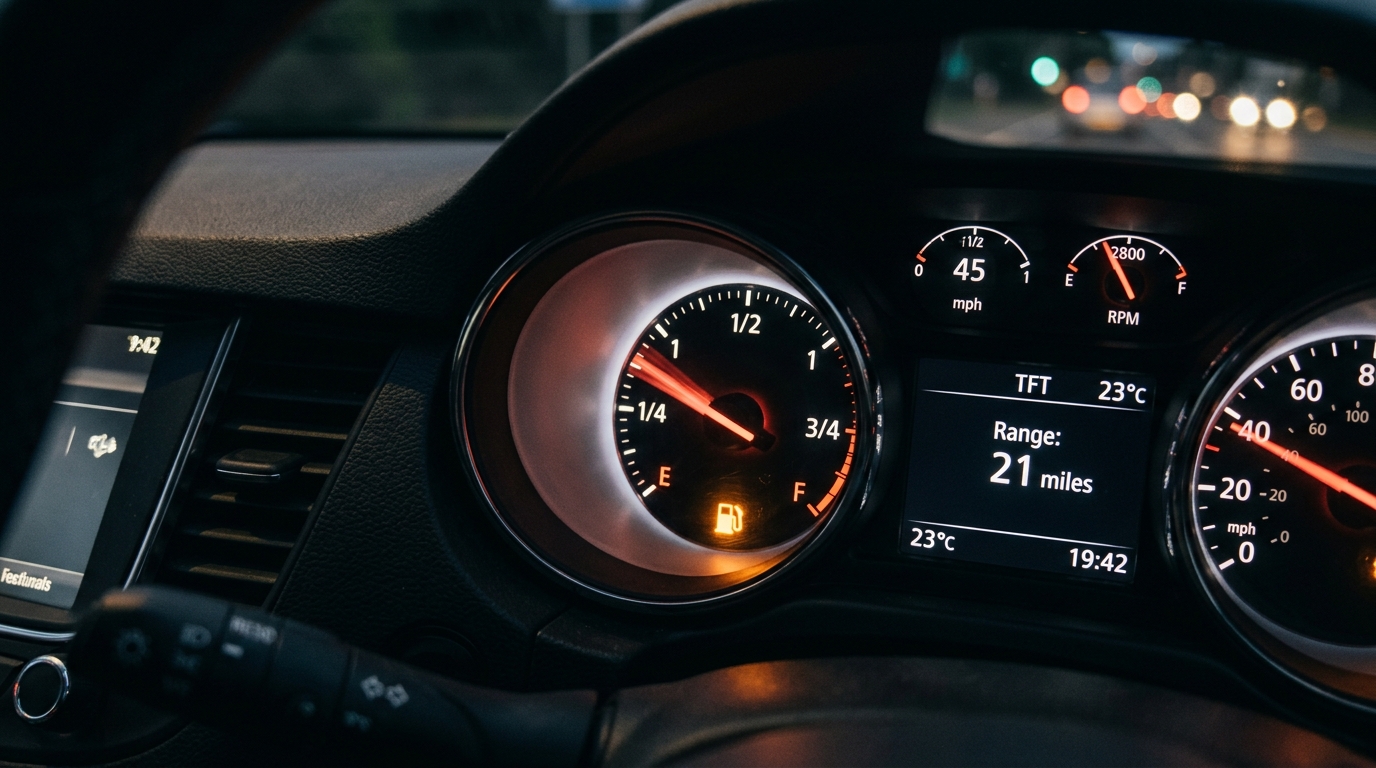
AI generated: Photorealistic close-up of a modern vehicle dashboard fuel gauge with the needle dropping rapidly toward empty, illuminated instrument cluster, amber low-fuel warning light glowing, digital range display showing decreasing miles, subtle motion blur on the gauge needle, dark cabin interior, dramatic lighting, high-detail automotive photography, realistic reflections on glass, shallow depth of field, cinematic mood, no people, no hands. Negative prompt: No cartoon style, no distorted numbers, no unreadable gauge markings, no extra needles, no broken dashboard, no flames, no text overlays, no brand logos, no unrealistic fuel symbols.


We’ve all been there: you’re cruising down Nashville Pike, enjoying the Middle Tennessee scenery, and suddenly you notice your fuel light is on—again. It feels like you just filled up at the station in Gallatin, yet here you are, watching your hard-earned money vanish through the exhaust pipe. For many drivers, a sudden or gradual drop in miles per gallon (MPG) is more than just an annoyance; it’s a financial drain and a potential warning sign that your vehicle is crying out for help.

At Newton Nissan of Gallatin, we believe that understanding your vehicle is the first step toward saving money. Poor gas mileage is rarely the result of a single ‘magic’ problem. Instead, it’s often a combination of mechanical wear, environmental factors, and even subtle changes in how you drive. Whether you’re commuting into Nashville for work or taking the kids to local parks, every gallon counts. In this comprehensive guide, we will peel back the layers of automotive efficiency to help you identify exactly why your car is thirstier than usual and how you can reclaim those lost miles.


The Science of Fuel Efficiency: How Your Engine Uses Gas


To understand why mileage drops, we must first understand the ‘Stoichiometric Ratio.’ In a perfect world, your internal combustion engine mixes air and gasoline at a precise ratio of 14.7 parts air to 1 part fuel. This is the ‘sweet spot’ where fuel burns completely, providing maximum power with minimum waste. However, your engine is a dynamic machine constantly fighting against friction, heat, and changing air density.

Modern Nissan vehicles use complex Engine Control Units (ECUs) to monitor this ratio thousands of times per second. If a sensor provides even slightly incorrect data, the computer might overcompensate by dumping too much fuel into the cylinders—a condition known as ‘running rich.’ This doesn’t just hurt your wallet; it can lead to carbon buildup and long-term engine damage.


Efficiency is also a battle against physics. When you accelerate, your engine must overcome the vehicle’s inertia. Once moving, it fights rolling resistance from the tires and aerodynamic drag from the wind. Any mechanical inefficiency—like a dragging brake caliper or an aging transmission—adds to the load the engine must carry.

Our team at Newton Nissan of Gallatin often sees vehicles that are mechanically sound but suffering from ‘efficiency parasites.’ These are small issues that, when combined, can reduce your MPG by 10-20%. By mastering the variables of combustion and movement, you can ensure your vehicle stays as efficient as the day it left the showroom floor. If you’re worried about your current vehicle’s costs, it might be time to Value Your Trade-In and look at more efficient options.


Top Mechanical Culprits: From Spark Plugs to Oxygen Sensors
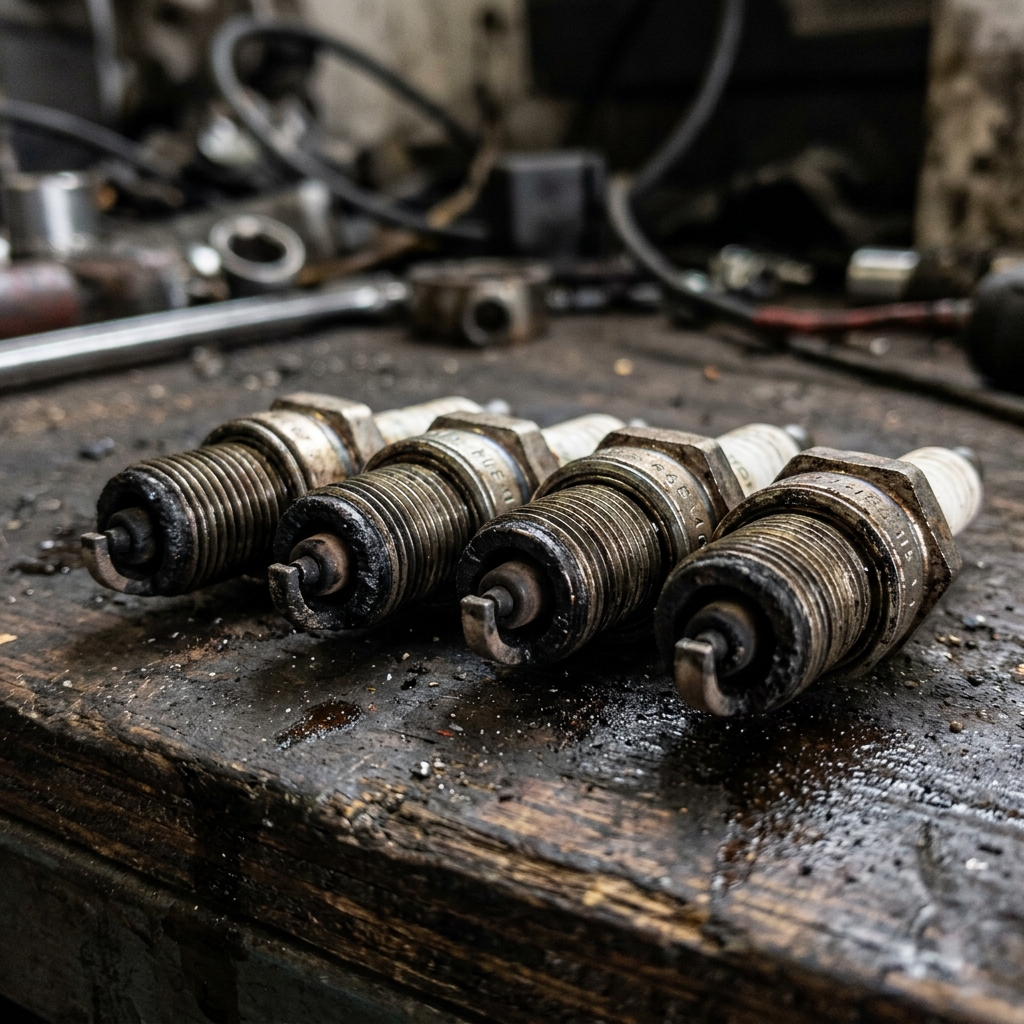
AI generated: Image prompt: Photorealistic macro close-up of four fouled automotive spark plugs laid on a dark workbench, tips coated with black carbon deposits and oily residue, worn electrodes, dirty threaded metal bodies, realistic grime and soot texture, mechanic’s garage lighting, shallow depth of field, high-detail product photography, gritty automotive repair atmosphere, 100mm macro lens, ultra-realistic metal reflections. Negative prompt: No clean spark plugs, no cartoon style, no glowing flames, no hands, no people, no brand logos, no text overlays, no distorted threads, no unrealistic colors, no extra tools cluttering the scene.

Fouled Spark Plugs


Spark plugs provide the literal ‘spark’ for combustion. If they are fouled with carbon or the gap is worn too wide, they can cause misfires. Even a misfire so small you can’t feel it will result in unburned fuel being pushed out the exhaust, wasting gas every single cycle.


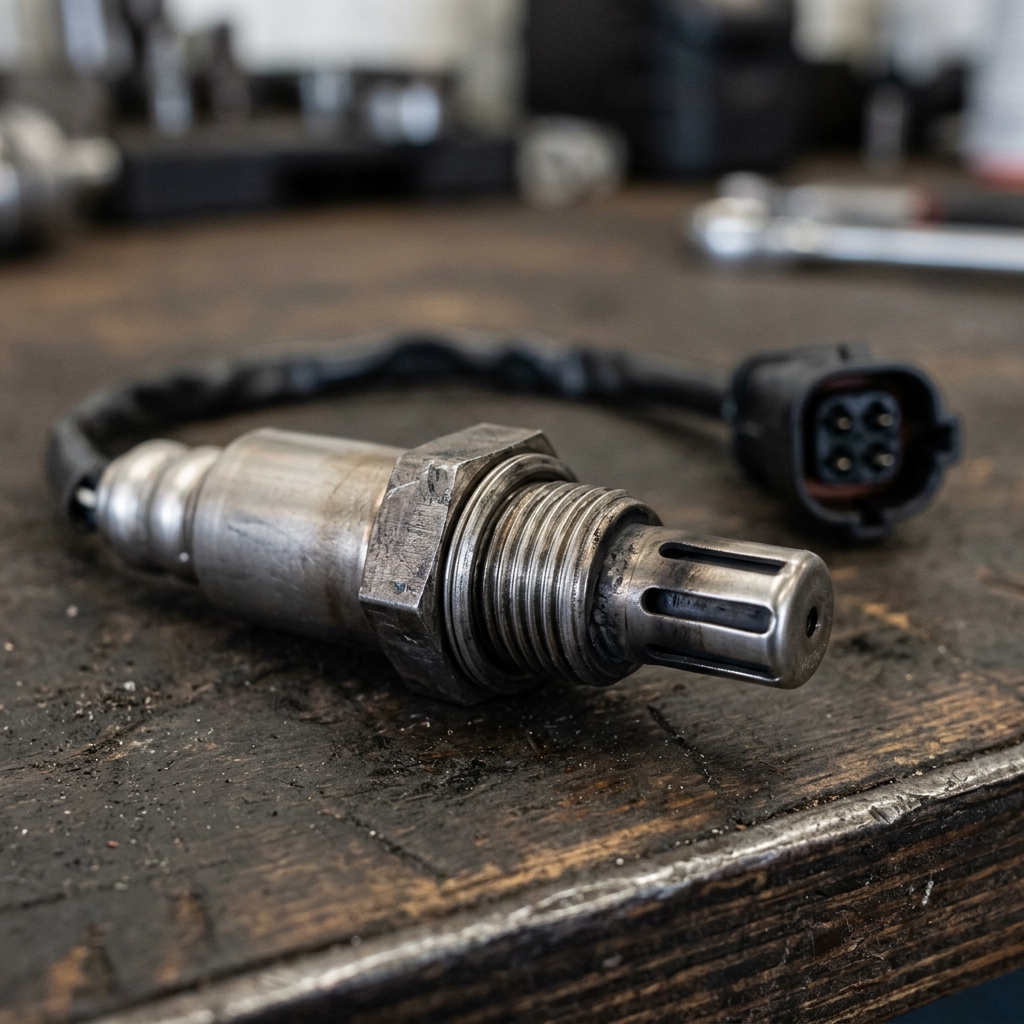
AI generated: Photorealistic macro close-up of an automotive oxygen sensor on a clean dark workbench, threaded metal probe with slotted sensor tip, hex nut body, black insulated wire and electrical connector trailing behind it, subtle carbon discoloration on the probe, realistic brushed metal texture, sharp detail, shallow depth of field, professional auto repair product photography, soft garage lighting, 100mm macro lens, ultra-realistic reflections. Negative prompt: No hands, no people, no brand logos, no text overlays, no cartoon style, no distorted threads, no broken wires, no extra random parts, no unrealistic glowing elements, no incorrect sensor shape.

Bad Oxygen Sensors


The O2 sensor tells the engine how much oxygen is in the exhaust. If it fails, it usually defaults to a ‘rich’ mixture to protect the engine, which can tank your fuel economy by as much as 40%. It’s one of the most common causes of a sudden MPG drop.


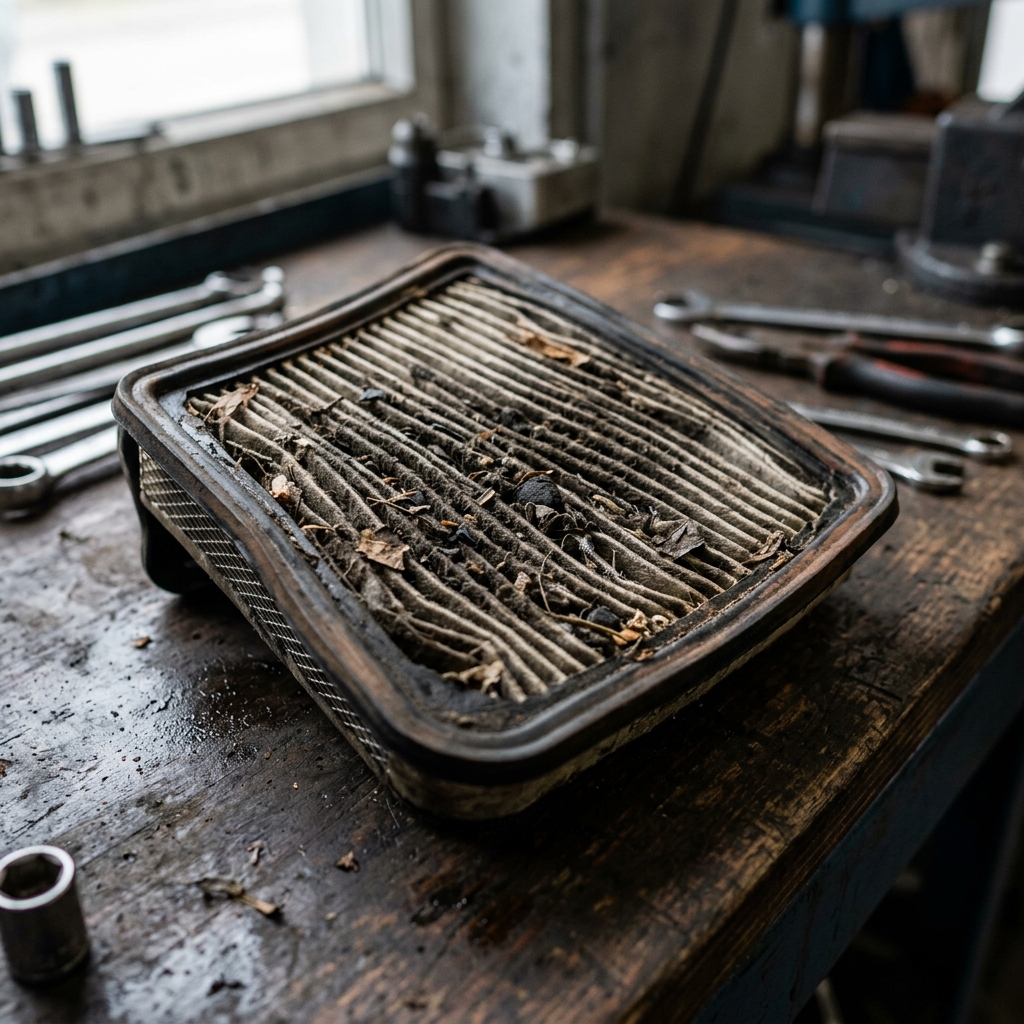
AI generated: Image prompt: Photorealistic close-up of a dirty automotive air filter removed from a vehicle, pleated paper filter packed with dust, leaves, road grime, and dark debris, resting on a dark mechanic’s workbench, realistic texture in the clogged pleats, soft garage lighting, shallow depth of field, high-detail automotive maintenance photography, 100mm macro lens, gritty but clean composition. Negative prompt: No clean filter, no hands, no people, no brand logos, no text overlays, no cartoon style, no unrealistic colors, no deformed filter frame, no excessive clutter, no engine fire, no insects.

Clogged Air Filters


Your engine needs to breathe. A clogged filter acts like a mask, forcing the engine to work harder to pull in air. In older cars, this directly kills MPG; in modern fuel-injected cars, it reduces power and forces the transmission to stay in lower gears longer.


Is Your Vehicle Due for a Check-Up?


Don’t let a small mechanical issue turn into a massive fuel bill. Our factory-trained technicians can run a full diagnostic to pinpoint exactly why your efficiency has slipped. Whether you need a simple tune-up or a sensor replacement, we use genuine Nissan parts to get you back to peak performance. Call us at (615) 442-3090 to schedule your visit.


The Tire Factor: Pressure, Alignment, and Rolling Resistance
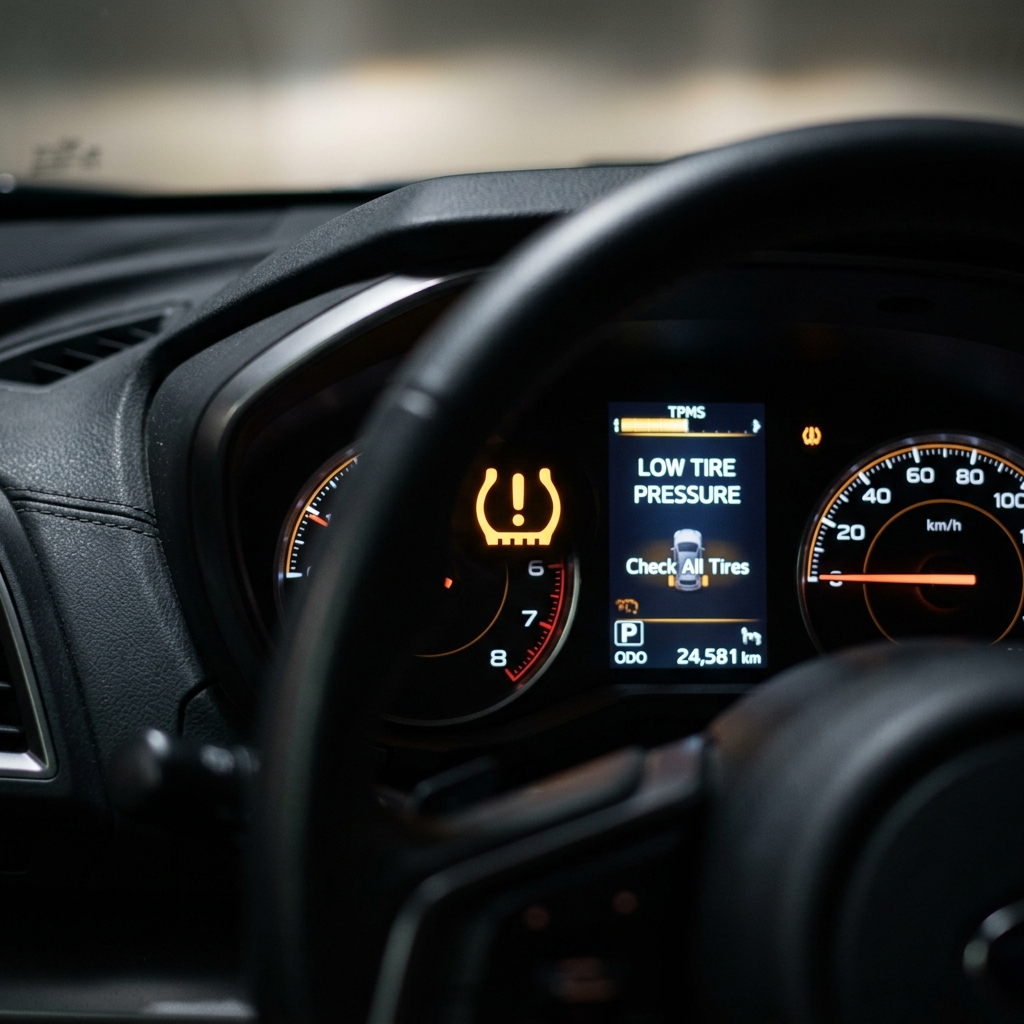
AI generated: Photorealistic close-up of a modern vehicle dashboard showing a low tire pressure warning, illuminated TPMS symbol glowing amber on the instrument cluster, digital message reading “Low Tire Pressure,” speedometer and tachometer softly visible in the background, dark cabin interior, realistic dashboard lighting, subtle reflections on the gauge glass, shallow depth of field, high-detail automotive safety photography, cinematic lighting, no people, no hands. Negative prompt: No flat tire exterior shot, no cartoon style, no distorted dashboard, no unreadable warning icon, no extra warning lights, no brand logos, no text overlays outside the dashboard, no cracked glass, no unrealistic colors.


Your tires are the only point of contact between your car and the Tennessee roads. If they aren’t optimized, your engine has to fight for every inch of forward progress. Under-inflated tires are a leading cause of poor gas mileage. When a tire is low on air, its ‘footprint’ spreads out, creating more friction—or rolling resistance—against the pavement.

The Stat: According to the Department of Energy, you can lower your gas mileage by 0.2% for every 1 PSI drop in the average pressure of all tires. While that sounds small, being 10 PSI low (not uncommon in cold weather) can result in a significant annual loss. Furthermore, poor wheel alignment causes your tires to ‘scrub’ against the road rather than rolling freely. If your car pulls to one side on the highway, you’re literally dragging your tires, which kills efficiency and ruins your tread.


Fuel System Health: Injectors and Pumps


The fuel system is responsible for delivering a fine mist of gasoline into the combustion chamber. Modern fuel injectors have microscopic nozzles that can easily become clogged by varnish or deposits found in lower-quality gasoline. When an injector is clogged, it might ‘dribble’ fuel instead of spraying it. This leads to poor atomization, meaning the fuel doesn’t burn completely, and you lose power and efficiency.

A failing fuel pump can also cause issues. If the pump can’t maintain consistent pressure, the ECU may struggle to manage the fuel trim, leading to a sluggish engine that requires more throttle input to maintain speed. Regular fuel system cleanings and using Top Tier gas can help, but sometimes hardware needs professional attention. If you suspect your system is failing, you can Order Parts Online or visit our service center for a flush.


Another often-overlooked component is the fuel filter. While many modern cars have a lifetime filter built into the pump, older models require periodic replacement. A restricted filter makes the pump work harder, drawing more electrical load and potentially leaning out the engine, which triggers the computer to overcompensate with more fuel elsewhere. Ensuring your fuel system is ‘clean’ from tank to tip is vital for reaching those EPA-estimated MPG numbers, especially in high-traffic areas like Gallatin where stop-and-go driving already taxes your fuel levels.


Driving Habits That Drain Your Tank

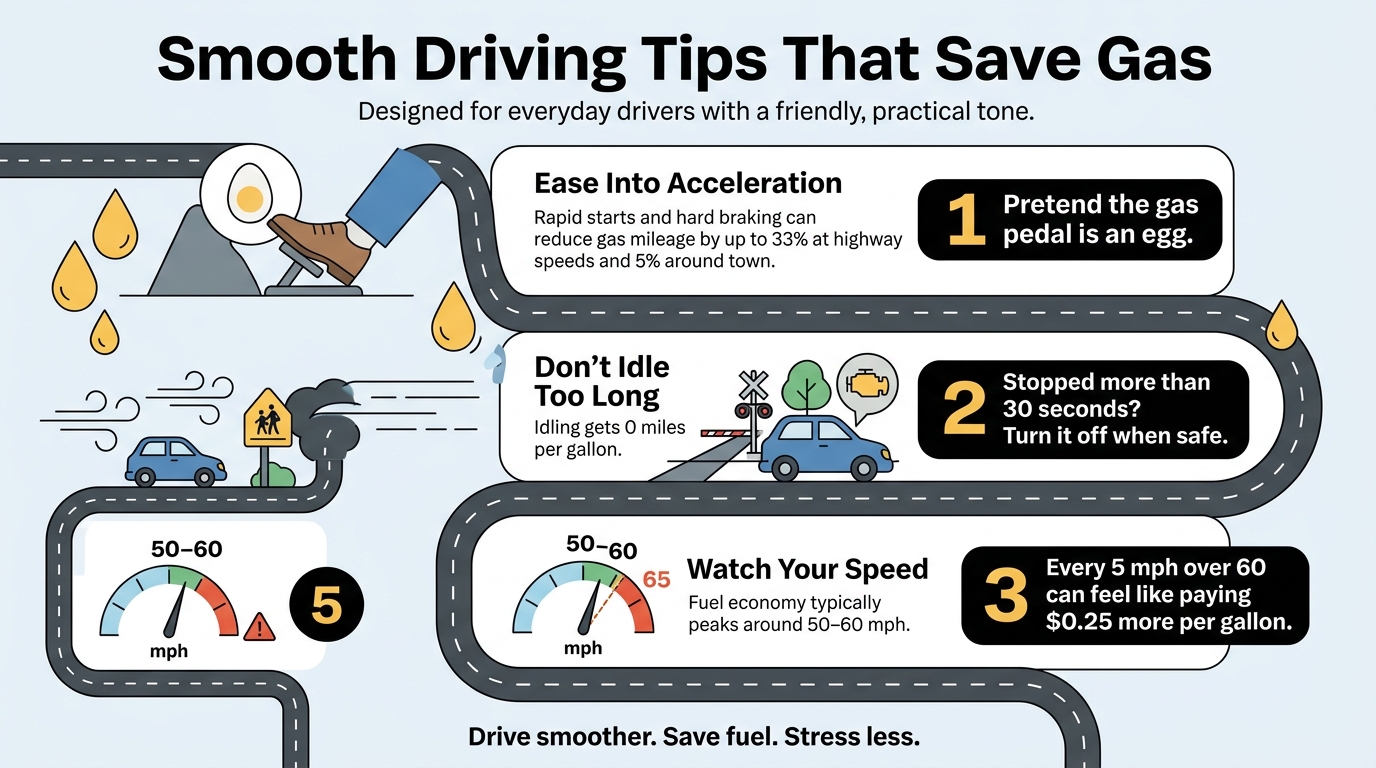
Aggressive Acceleration


Rapid starts and hard braking can lower your gas mileage by 33% at highway speeds and 5% around town. Imagine your gas pedal is an egg—press it gently to keep the shell intact.


Excessive Idling


Idling gets you 0 miles per gallon. If you’re waiting for a train in Gallatin or sitting in a long school pickup line, it’s often more efficient to turn the engine off if you’ll be stationary for more than 30 seconds.


The 65 MPH Rule


Fuel economy typically peaks at about 50-60 mph. Every 5 mph you drive over 60 is like paying an additional $0.25 per gallon for gas due to the exponential increase in wind resistance.


AI generated: Create a clean, modern infographic titled “Smooth Driving Tips That Save Gas” for everyday drivers. Use a friendly, practical tone with clear icons and easy-to-read sections. The visual style should feel trustworthy, helpful, and slightly playful, using a road/vehicle theme with soft curves, simple illustrations, and bold callout numbers. Include three main tip panels: 1. Ease Into Acceleration Show a foot gently pressing a gas pedal with an egg symbol near it. Text: “Rapid starts and hard braking can reduce gas mileage by up to 33% at highway speeds and 5% around town.” Callout: “Pretend the gas pedal is an egg.” 2. Don’t Idle Too Long Show a stopped car near a railroad crossing or school pickup line with the engine icon turning off. Text: “Idling gets 0 miles per gallon.” Callout: “Stopped more than 30 seconds? Turn it off when safe.” 3. Watch Your Speed Show a speedometer highlighting 50–60 mph, with 65 mph marked as a warning zone. Text: “Fuel economy typically peaks around 50–60 mph.” Callout: “Every 5 mph over 60 can feel like paying $0.25 more per gallon.” Design requirements: Use a vertical infographic layout, large headline at the top, three stacked sections, minimal text, high contrast, readable typography, and simple flat vector illustrations. Add small visual cues like gas drops, wind resistance lines, and a winding road connecting the sections. End with a footer message: “Drive smoother. Save fuel. Stress less.”

Upgrade Your Ride for Better Efficiency


Sometimes, the most cost-effective solution is a more modern, fuel-efficient vehicle. If your current car is a ‘gas guzzler,’ you might be surprised at how much you could save with a newer model. From the sleek Shop New Nissan Altima Inventory with its impressive highway MPG to the versatile Shop New Nissan Rogue Inventory, we have options that prioritize your budget. You can even go gas-free and Shop New Nissan Leaf Inventory for the ultimate in efficiency.


External Factors: Weight, Aerodynamics, and Roof Racks
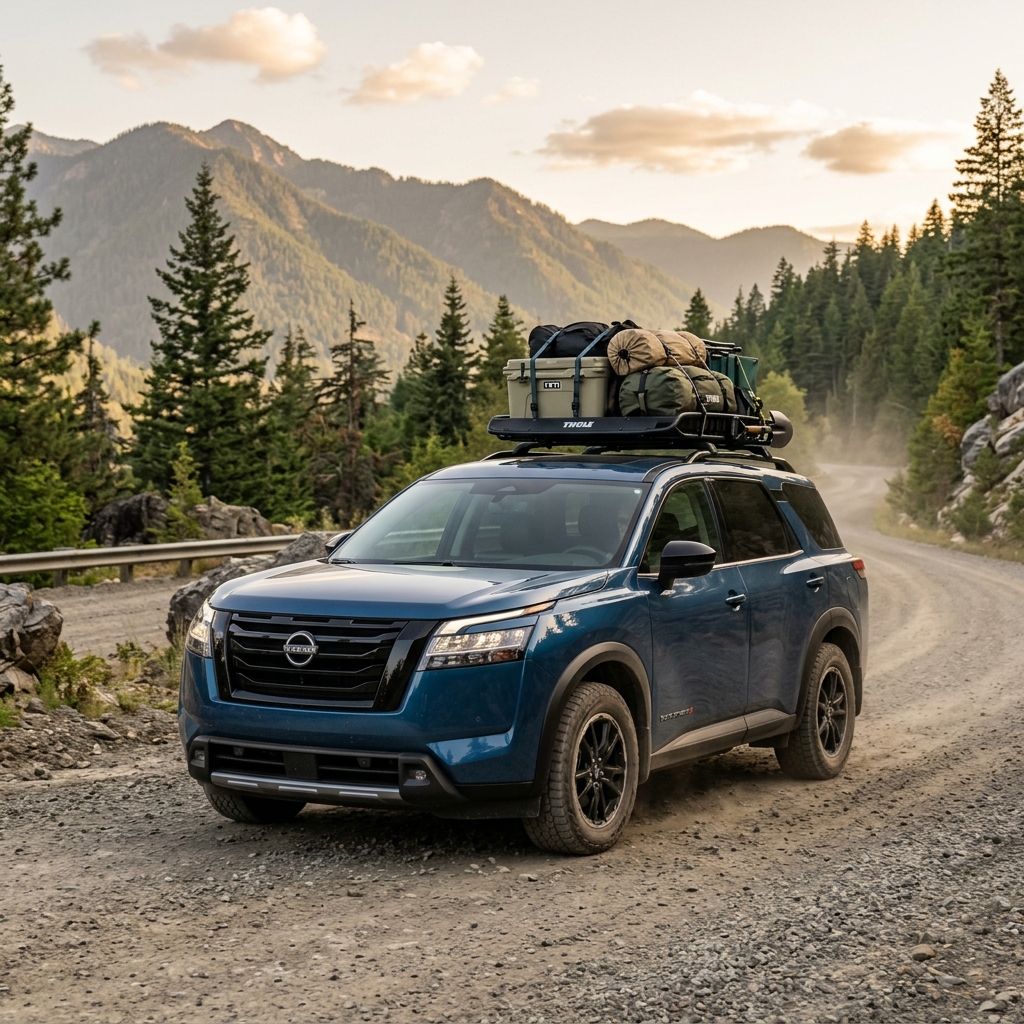
AI generated: Create a realistic lifestyle image of a 2026 Nissan Pathfinder driving on a scenic two lane road shown in a three-quarter front angle. The SUV should look modern, rugged, and family-ready, with a fully loaded roof rack carrying camping gear, duffel bags, a cooler, and strapped-down outdoor equipment. The setting should feel aspirational but believable: golden-hour lighting, mountains or forest in the background, gravel road, light dust on the tires, and a sense of weekend adventure. Keep the vehicle as the clear hero of the image. Style: photorealistic automotive advertising, sharp details, natural reflections, premium SUV presentation, realistic proportions, no exaggerated modifications, no people, no text, no logos added beyond the vehicle’s natural badging.


Your car’s exterior design is carefully sculpted in wind tunnels to slice through the air. When you add a roof rack, a cargo box, or even a bicycle, you disrupt that airflow. This ‘drag’ acts like a parachute, forcing the engine to burn more fuel just to maintain highway speeds. If you aren’t using your roof accessories, removing them can improve your MPG by as much as 10%.

Weight is the other silent killer of efficiency. For every extra 100 pounds you carry in your trunk or backseat, your fuel economy drops by about 1-2%. If you’re carrying around heavy gear, tools, or supplies you don’t need for your daily commute through Gallatin, clearing out the clutter is the easiest way to get an immediate boost in mileage. Efficiency isn’t just about what’s under the hood; it’s about the total package you’re moving down the road.


The Role of Motor Oil and Transmission Fluid


Friction is the enemy of efficiency. Inside your engine, hundreds of metal parts move at incredible speeds. Motor oil provides the thin film that keeps these parts from touching. However, not all oil is created equal. Using the wrong weight (viscosity) of oil—like using 10W-30 when your Nissan calls for 0W-20—can increase internal resistance. Thicker oil is harder for the engine to pump, which directly consumes more energy (and fuel).

Similarly, your transmission fluid plays a massive role. The transmission is responsible for transferring engine power to the wheels. If the fluid is old, burnt, or low, the transmission may suffer from internal slip or delayed shifts. This causes the engine to rev higher than necessary, wasting fuel. Keeping up with your fluid intervals at a trusted Visit Our Dealership ensures your drivetrain remains as frictionless as possible.


Many modern Nissans use Continuously Variable Transmissions (CVTs) which are designed specifically for maximum fuel efficiency. These systems rely on high-quality, specialized fluid to maintain the correct grip on the pulleys. Neglecting CVT fluid changes can lead to a ‘sluggish’ feel where the engine feels disconnected from the wheels, forcing you to use more throttle to get up to speed. Always check your owner’s manual or ask our service advisors about the specific fluid requirements for your vehicle’s year and model to maximize every drop of gas.


Seasonal Impact: How Gallatin Weather Affects Your Gas

Winter Blends


Gasoline sold in winter has a lower energy density than summer blends. This change is mandatory to help cars start in the cold, but it naturally results in a 1-3% drop in MPG.


Air Density


Cold air is denser than warm air. While this can provide a slight power boost, it also increases aerodynamic drag. Your car literally has to push through ‘thicker’ air during those chilly Tennessee mornings.


The Warming Up Myth


Modern engines only need about 30 seconds to circulate oil. Idling for 10 minutes to ‘warm up’ the car simply wastes fuel. The fastest way to warm the engine is to drive it gently.


Genuine Parts for Peak Performance

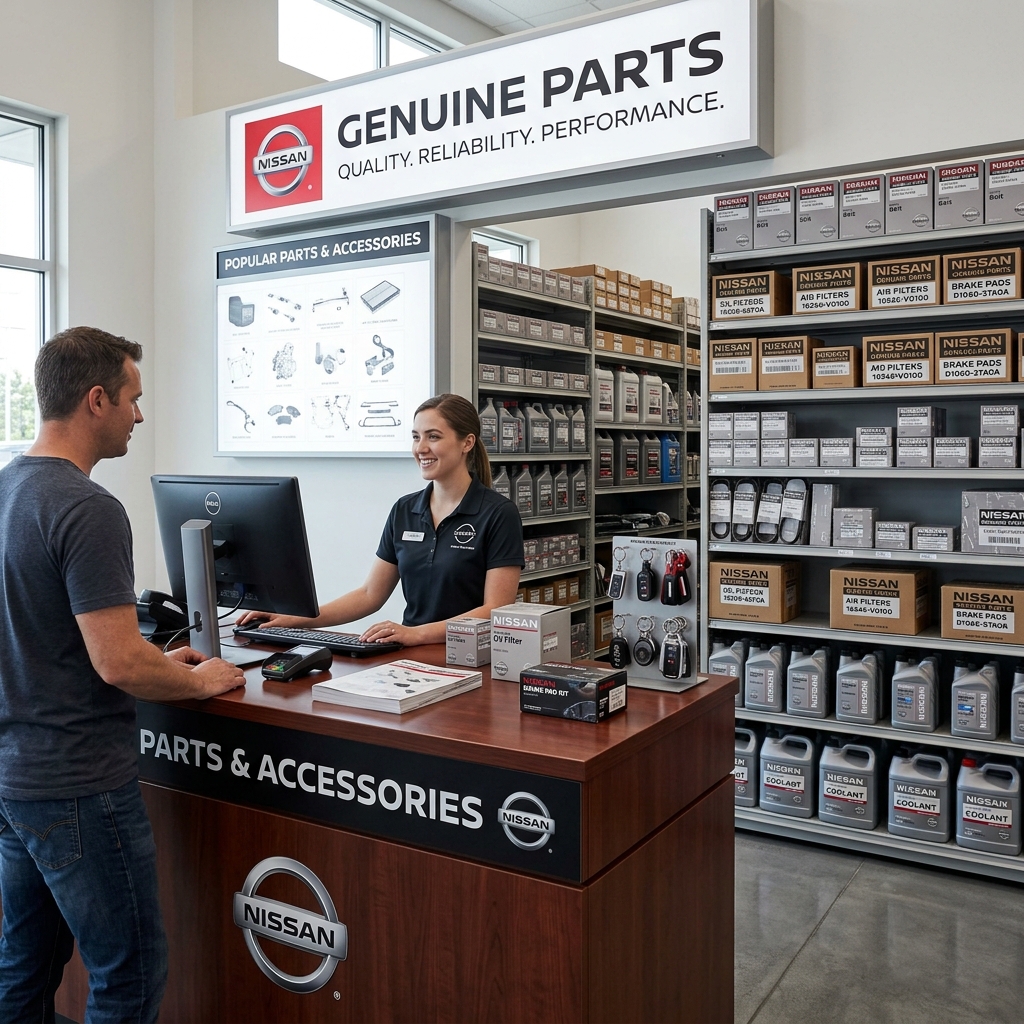
AI generated: Create a realistic image of a Nissan dealership parts department focused on Nissan Genuine Parts. Show a clean, professional parts counter with organized shelves behind it, branded parts boxes, filters, brake components, belts, fluids, and accessories neatly displayed. Include visible Nissan Genuine Parts packaging and signage in a tasteful, dealership-authentic way. The setting should feel modern, bright, and trustworthy, with a service advisor or parts specialist behind the counter helping a customer. Use natural dealership lighting, clean floors, organized inventory, and subtle Nissan branding throughout. The image should communicate quality, reliability, and OEM parts confidence. Style: photorealistic dealership advertising, sharp detail, realistic proportions, professional composition, warm customer-service atmosphere, no clutter, no exaggerated branding, no distorted text.


When it comes to sensors and filters, quality matters. Aftermarket parts are often designed to fit a wide range of vehicles, which means they might not perfectly match the specific resistance or flow rates required by your Nissan’s ECU. A ‘close enough’ oxygen sensor can lead to inefficient fuel maps, while a generic air filter might not seal perfectly, allowing ‘dirty’ air to bypass the filter and damage your Mass Air Flow (MAF) sensor.

At Newton Nissan of Gallatin, our Visit Parts Department stocks components specifically engineered for your vehicle. Using OEM (Original Equipment Manufacturer) parts ensures that your car’s computer receives 100% accurate data, allowing it to maintain that perfect air-fuel ratio. If you’re looking for peak efficiency, don’t settle for generic substitutes. You can easily Order Parts Online to ensure your DIY maintenance actually helps your mileage rather than hurting it.


Diagnostic Checklist: When to See a Professional


Sometimes the signs of poor fuel economy are obvious, but other times they are subtle. If you notice any of the following ‘red flags,’ it’s time to bring your vehicle in for a professional look:

  • The Check Engine Light: Even if the car seems to run fine, a CEL often indicates a sensor failure that is currently wasting fuel.
  • Rough Idling: If your car shudders at stoplights in Gallatin, it likely has a combustion or fuel delivery issue.
  • Strange Smells: A ‘rotten egg’ smell from the exhaust suggests a failing catalytic converter, while a raw gas smell could mean a leak or an extremely rich condition.
  • Hesitation: If the car stumbles when you step on the gas, your air-fuel mixture is likely compromised.


Symptom Likely Cause MPG Impact
Check Engine Light O2 or MAF Sensor High (Up to 40%)
Slow Acceleration Clogged Filter/Injectors Moderate (5-15%)
Pulling to One Side Alignment Issue Small but Persistent
Black Smoke Running Rich Severe (Immediate Loss)


The Financial Math: Maintenance vs. Gas Costs
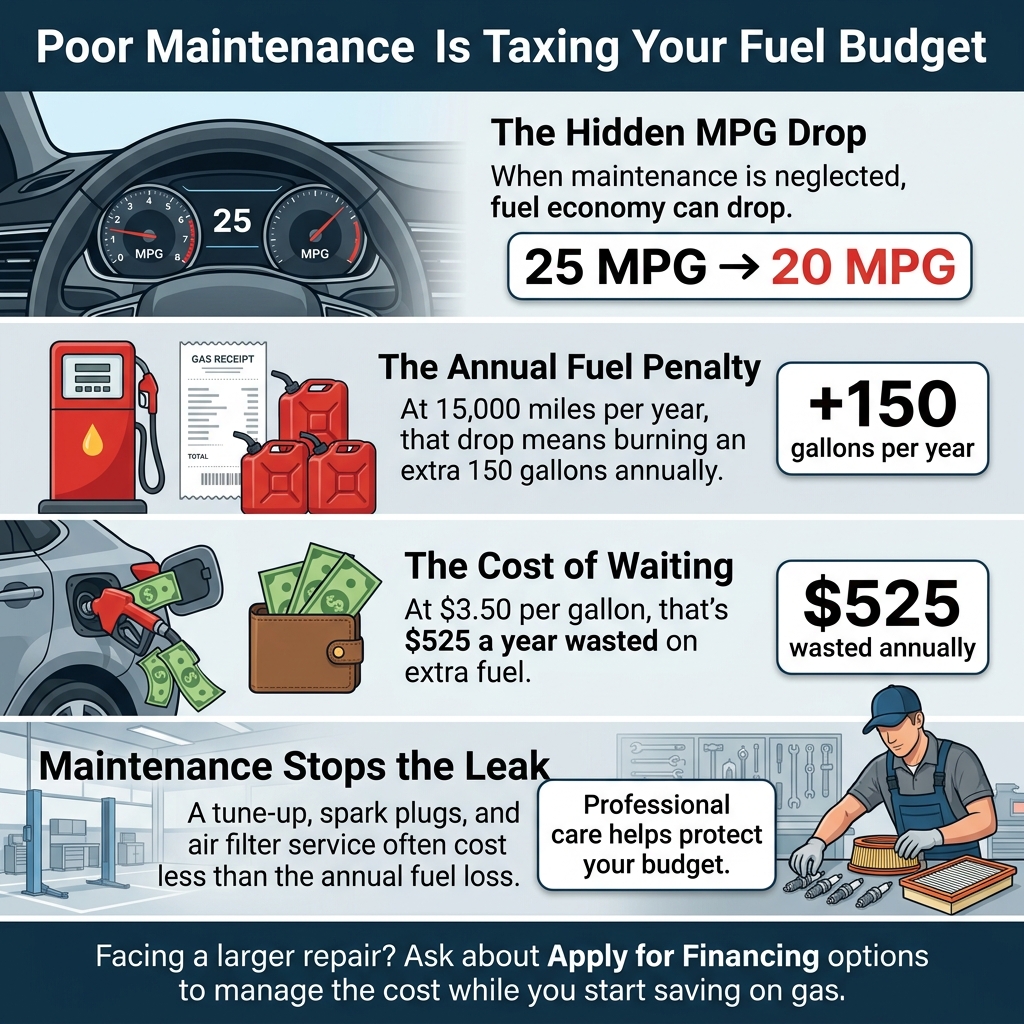
AI generated: Create a clean, modern automotive infographic titled “Poor Maintenance Is Taxing Your Fuel Budget”. Use a practical, money-saving tone with clear visuals, bold numbers, and simple math that drivers can understand quickly. Use a vertical layout with four main sections: 1. The Hidden MPG Drop Show a car dashboard or fuel gauge comparing two MPG numbers. Text: “When maintenance is neglected, fuel economy can drop.” Callout: “25 MPG → 20 MPG” 2. The Annual Fuel Penalty Show a fuel pump, gas receipt, or stack of gas cans. Text: “At 15,000 miles per year, that drop means burning an extra 150 gallons annually.” Callout: “+150 gallons per year” 3. The Cost of Waiting Show dollar bills leaking from a gas tank or wallet. Text: “At $3.50 per gallon, that’s $525 a year wasted on extra fuel.” Callout: “$525 wasted annually” 4. Maintenance Stops the Leak Show a technician replacing spark plugs and an air filter, with a clean service bay in the background. Text: “A tune-up, spark plugs, and air filter service often cost less than the annual fuel loss.” Callout: “Professional care helps protect your budget.” Add a final footer section with a helpful financing message: “Facing a larger repair? Ask about Apply for Financing options to manage the cost while you start saving on gas.”


Many drivers hesitate to spend money on a tune-up, but the math tells a different story. If you drive 15,000 miles a year and your MPG drops from 25 to 20 due to neglect, you are consuming an extra 150 gallons of fuel annually. At $3.50 a gallon, that’s $525 a year literally ‘wasted.’

A typical service visit to replace spark plugs and an air filter often costs significantly less than that annual loss. In essence, your car is ‘taxing’ you for every mile you drive with poor maintenance. By investing in professional care, you aren’t just spending money; you’re stopping a leak in your budget. If you’re facing a larger repair to get your efficiency back, don’t worry—we offer Apply for Financing options to help you manage the cost while you start saving on gas.


Expert Fuel Efficiency Consultations in Gallatin


Don’t let poor gas mileage dictate your budget. At Newton Nissan of Gallatin, we are more than just a dealership; we are your partners in keeping your vehicle running at its absolute best. From simple tire rotations to complex engine diagnostics, we have the tools and the expertise to help you win the battle against the fuel pump.

Whether you’re a lifelong Gallatin resident or a Nissan Dealer Near Nashville visitor, our doors are open to help you save. Get Directions to Newton Nissan of Gallatin today and let’s get your MPG back where it belongs. Call us at (615) 442-3090 or visit our homepage to see our latest service specials.