

The Science of Gasoline Direct Injection and Carbon Buildup
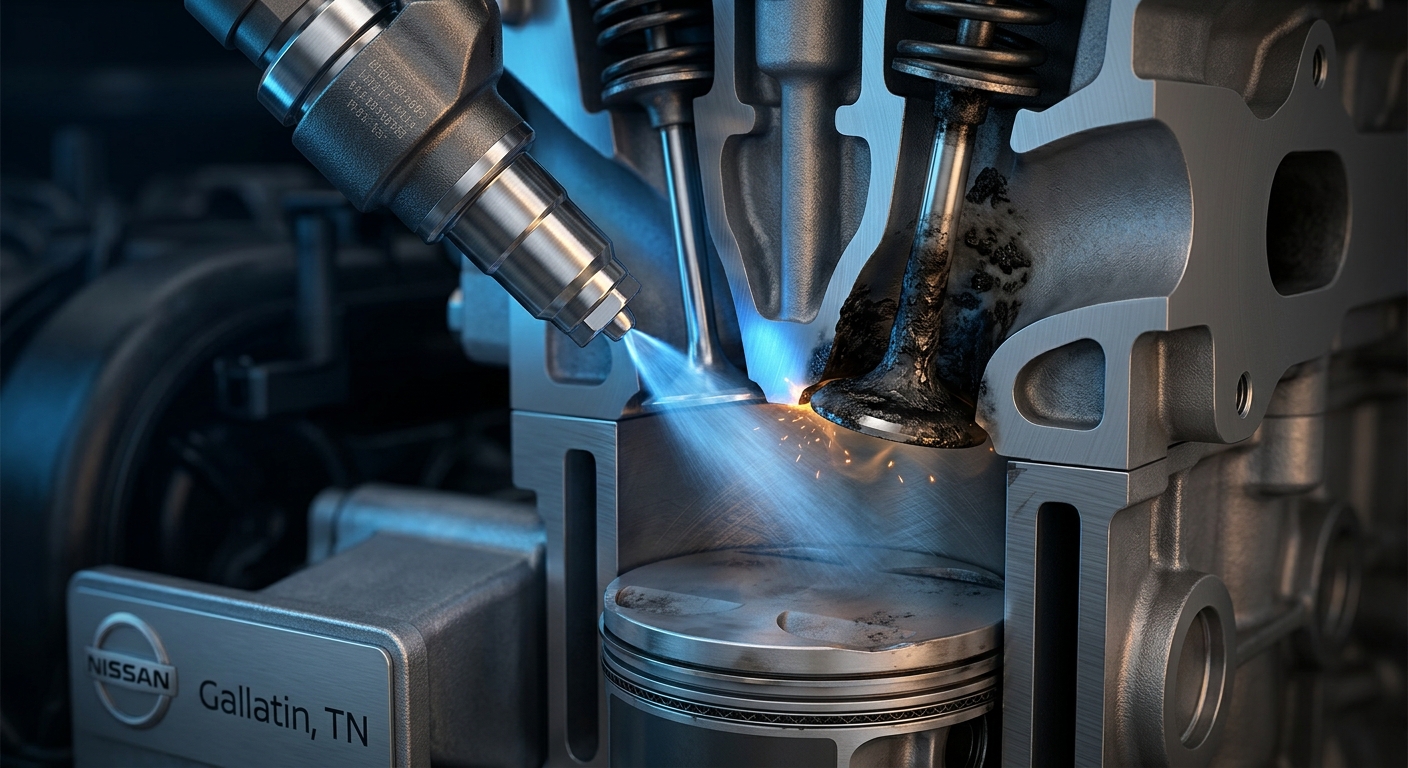
Modern automotive engineering relies heavily on high-efficiency fuel delivery systems to maximize power while managing tailpipe emissions. Among these advancements, Gasoline Direct Injection (GDI) has become the industry standard. Unlike conventional fuel delivery systems that spray fuel into the intake port, GDI systems inject highly pressurized fuel directly into the combustion chamber. These systems typically operate at extreme pressures ranging from 35 bar to over 200 bar depending on the specific engine load and design. This high-pressure delivery allows for precise fuel atomization and a more complete burn, which directly improves both performance and efficiency.
However, this direct injection architecture introduces a unique mechanical challenge regarding intake valve cleanliness. In traditional port-injected engines, fuel is sprayed onto the back of the intake valves, allowing the natural detergents in gasoline to continuously wash away oil vapors and combustion byproducts. Because GDI injectors bypass the intake valves entirely, there is no constant flow of fuel to clean these components. Consequently, oil vapors routed from the crankcase ventilation system accumulate and bake onto the hot metal surfaces of the intake valves. Over time, these baked-on vapors harden into restrictive carbon deposits.
The rolling farmland and moderate elevations around Cross Plains put steady, variable load demands on an engine, making efficient fuel delivery essential for driving up country hills. When carbon deposits restrict the intake valves, the engine cannot draw in air smoothly, leading to noticeable performance degradation. Common symptoms of this buildup include a rough idle, hesitation or stalling during acceleration, cold-start misfires, and a gradual loss of overall engine power.
If you are looking for a reliable Nashville car dealership to diagnose these symptoms, our service bay is fully equipped to help. Drivers searching for a trusted car dealer near me can find our location easily. For precise navigation to our service center, view our service center directions or give our team a quick call to discuss any engine performance issues. We also love supporting our local community, so feel free to check out how to enter our high school car giveaway while researching your vehicle’s maintenance needs.
Table of Contents
- What Is a BG GDI Fuel System Service?
- How GDI Cleaning Differs From Traditional Fuel Injection Services
- What Mileage Is Common for GDI Cleaning Services?
- Key Benefits of BG GDI Service for Engine Performance and Efficiency
- Chemical Safety, Turbochargers, and Fuel Additives Explained
- Common Questions About Direct Injection Maintenance
- Schedule Your Professional BG GDI Fuel System Service
What Is a BG GDI Fuel System Service?
A professional carbon-cleaning service uses specialized, commercial-grade equipment to address the specific design limitations of direct-injection engines. The BG GDI Fuel System Service is a comprehensive, multi-stage chemical cleaning process designed to safely dissolve hardened carbon deposits from the intake valves, fuel injectors, and combustion chambers. Because these deposits cannot be reached by fuel additives poured into the gas tank alone, this service utilizes specialized tools to deliver pressurized cleaning agents directly into the engine’s air stream and fuel system.
During the service, our technicians connect specialized delivery tools directly to the engine’s intake tract and fuel rail. The process involves several key steps:
- Intake Valve Cleaning: A highly concentrated cleaner, BG GDI Intake Valve Cleaner, is atomized into the air intake. As it passes over the hot intake valves, it chemically softens and dissolves the stubborn carbon crust.
- Combustion Chamber and Injector Cleaning: Using pressurized equipment, BG Fuel Injection & Combustion Chamber Cleaner is introduced directly through the fuel rail. This targeted application clears deposits from the injector tips, restoring the precise spray pattern required for optimal combustion.
- In-Tank System Treatment: To complete the service, a bottle of BG 44K fuel system cleaner is added directly to the fuel tank. This high-detergent additive cleans the fuel pump, fuel lines, and the fuel-side of the injectors as you drive.
Whether you are shopping for efficient commuters like our new Nissan Leaf inventory, checking out large family haulers in our new Nissan Armada inventory, or looking to shop new Nissan vehicles of all sizes, understanding how direct injection engines stay efficient is key to long-term ownership. If you are planning your next vehicle purchase, you can also apply for financing online to streamline the process before visiting our showroom.
How GDI Cleaning Differs From Traditional Fuel Injection Services
Understanding the difference between port fuel injection and direct injection explains why standard maintenance routines often fail to prevent carbon buildup. Traditional fuel injection services were designed for older port-injection systems. In those configurations, a simple fuel additive or a basic injector flush was highly effective because any cleaning agent introduced into the fuel line would naturally wash over the intake valves on its way to the combustion chamber.
With GDI engines, a traditional flush is insufficient. Because the injector nozzle is located inside the cylinder, any chemical poured into the gas tank or run through the fuel injectors completely bypasses the back of the intake valves. Consequently, the valves remain dry and untouched by the cleaning agents, allowing carbon to accumulate unimpeded. A true GDI service requires a dual-action approach that introduces heavy-duty solvent chemicals directly into the air intake stream to physically coat the dry valves, alongside a high-pressure injector flush.
Those looking to browse new cars like the sleek sedan options in our new Nissan Altima inventory should know that modern direct-injection powerplants require this specialized care to maintain their engineering specifications. Our service department handles everything from GDI maintenance to electrical diagnostics, so you can also explore our battery services if your vehicle is having trouble starting or showing other signs of electrical wear.
What Mileage Is Common for GDI Cleaning Services?
Automakers and service professionals generally establish a standard maintenance window for direct-injection cleaning between 30,000 to 60,000 miles. This range represents the typical mileage where carbon accumulation begins to physically restrict airflow and disrupt the precise fuel-air mixture. For most drivers, scheduling this service every 30,000 miles serves as an effective preventive measure, stopping carbon from hardening into a thick, restrictive barrier that is much more difficult to dissolve.
The exact mileage for GDI cleaning services can vary based on individual driving habits and environmental conditions. Vehicles driven primarily on short trips often require attention sooner, sometimes as early as 20,000 miles. Short commutes prevent the engine from reaching and maintaining its optimal operating temperature for extended periods, which accelerates the accumulation of wet oil vapors on the cold intake valves. Conversely, vehicles driven mostly on highways may go longer between services, as sustained operating temperatures help burn off softer, early-stage deposits.
For families navigating the daily commutes from Westmoreland to larger employment hubs, maintaining peak highway fuel efficiency directly impacts the household budget. When local drivers ask us about the ideal mileage for direct-injection cleaning, our service advisors typically look at both the odometer and daily driving patterns to recommend the most cost-effective schedule. If you notice a sudden drop in fuel economy, a rough sensation when idling at stoplights, or hesitation when merging onto the highway, these are clear indicators that your engine is due for a professional cleaning regardless of the current mileage.
If you want to keep your vehicle running like it did the day you picked it up from our new Nissan inventory, keeping an eye on this service interval is critical. Whether you drive a hard-working truck from our new Nissan Frontier inventory or prefer to shop new cars for your daily commute, carbon management is a necessary part of modern engine care. To see where your current vehicle stands before upgrading, you can also value your trade-in on our website to explore your options.
Key Benefits of BG GDI Service for Engine Performance and Efficiency
Restoring the physical pathway for air and fuel to enter the combustion chamber provides immediate, measurable improvements in vehicle drivability. When carbon deposits are chemically removed from the intake valves, the engine can draw in air without restriction. This restored airflow immediately eliminates the rough idling, engine hesitation, and cold-start misfires caused by restricted intake ports.
Furthermore, clearing carbon from the fuel injector tips restores the highly precise spray mist required for efficient combustion. When fuel is properly atomized, it mixes completely with air, resulting in a cleaner, faster burn. This directly restores engine horsepower and throttle response to original factory standards. Additionally, removing deposits from inside the combustion chamber helps eliminate pre-ignition conditions that cause engine knocking and pinging under load.
| Performance Metric | Impact of Carbon Buildup | Result After BG GDI Service |
|---|---|---|
| Airflow Efficiency | Restricted by physical valve deposits | Fully restored to factory design |
| Fuel Atomization | Disrupted spray patterns, poor mixing | Precise, fine mist for complete burn |
| Idle Quality | Rough, erratic, prone to stalling | Smooth, consistent idle RPM |
| Throttle Response | Hesitant, delayed acceleration | Crisp, immediate power delivery |
Drivers looking to bypass internal combustion engine maintenance altogether can shop new electric vehicles that require no oil or fuel services. However, for traditional gas-powered models, including those in our new Nissan Kicks Play inventory or our wider selection to shop new crossovers and SUVs, a professional GDI service is the best way to maintain responsiveness and fuel economy over the lifespan of the vehicle.
Chemical Safety, Turbochargers, and Fuel Additives Explained
Maintaining a modern engine requires ensuring that any chemical treatment introduced into the system is fully compatible with precision components. The professional-grade chemicals used in the BG GDI service are specifically formulated to be safe for use in turbocharged engines. Because turbocharged vehicles operate under higher thermal and physical stresses, the cleaning solvents are designed to dissolve carbon without leaving corrosive residues or damaging the delicate bearings and housing of the turbocharger.
Additionally, these specialized formulas are completely safe for modern emissions equipment, including catalytic converters and oxygen sensors. When the softened carbon is burned off during the service, the exhaust byproducts do not degrade or clog the catalyst substrate. While simple fuel additives poured into the gas tank help keep injector tips and combustion chambers clean, they cannot physically reach the intake valves. Therefore, relying solely on tank additives will not prevent or cure heavy carbon buildup on GDI intake valves.
This is true for popular direct-injection models like those in our new Nissan Kicks inventory or our new Nissan Murano inventory. If you prefer a plug-in hybrid option, you can explore our new Nissan Rogue PHEV inventory to see how hybrid powertrains manage fuel delivery. If you need specific replacement components or want to perform basic maintenance yourself, feel free to order parts online directly from our dealership.
Common Questions About Direct Injection Maintenance
Before scheduling service, many vehicle owners want to understand how chemical cleaning affects their long-term ownership costs and vehicle longevity. To help you make informed decisions, we have compiled answers to the most common questions our service department receives regarding direct-injection engine maintenance.
Q: Do fuel additives poured into the gas tank clean GDI intake valves?
No, because GDI systems spray fuel directly into the combustion chamber, any additive poured into the gas tank will completely bypass the back of the intake valves. While these additives are excellent for maintaining clean fuel lines, pumps, and injector tips, they cannot physically contact or clean the intake valves where the heaviest carbon deposits form.
Q: Can heavy carbon buildup cause my check engine light to illuminate?
Yes, severe carbon deposits can restrict airflow to the point of causing cylinder misfires, especially during cold starts. These misfires will trigger the check engine light and store diagnostic trouble codes such as P0300. A professional chemical cleaning is often required to restore proper airflow and resolve these misfire codes.
Q: Is GDI carbon cleaning covered under a standard vehicle warranty?
Typically, carbon buildup is classified as a maintenance item resulting from fuel quality and driving conditions, meaning it is rarely covered under standard factory warranties or a vehicle’s powertrain warranty. However, keeping up with recommended cleaning intervals prevents more severe mechanical failures that could lead to costly, non-warranted repairs.
Q: How long does a professional GDI cleaning service take to perform?
A professional BG GDI service typically takes between one to two hours. This duration is necessary because the cleaning solvents must be introduced into the running engine slowly and at highly controlled rates to safely dissolve the carbon without overwhelming the combustion chambers.
Q: Does using high-quality Top Tier gasoline eliminate the need for GDI service?
While using high-quality gasoline that meets Top Tier detergent standards is highly recommended to keep injectors clean, it still cannot prevent valve deposits. Because the fuel never washes over the intake valves in a direct-injection engine, even the highest-detergent gasoline cannot stop carbon from slowly baking onto the dry valves over time.
Before you schedule service, you can learn about us and our commitment to expert vehicle care. If you are shopping for a certified pre-owned vehicle, you can learn about our CPO program to see how we inspect every engine. We also invite you to learn about our happy hour specials, read about our community involvement, or discover how to buy online and learn about Newton Fastpass.
Schedule Your Professional BG GDI Fuel System Service
Keeping your vehicle’s engine running at peak efficiency requires proactive maintenance from factory-trained technicians who understand the nuances of modern direct-injection systems. Neglecting the intake valves can lead to restricted airflow, lost power, and decreased fuel economy that worsens with every mile. Our service team is fully equipped with specialized BG diagnostic and application tools to safely clear out performance-robbing carbon deposits.
If you are experiencing a rough idle, poor acceleration, or a drop in fuel economy, do not wait for a misfire to address the issue. You can easily schedule an appointment with our service department online or contact our advisors directly to discuss your vehicle’s specific needs. Our factory-trained team will inspect your intake tract and perform a complete, professional fuel system service to restore your engine’s original performance.
For drivers looking to upgrade their ride, you can browse affordable cars in our pre-owned inventory, or use our online trade valuation tool to see what your current vehicle is worth. If you require specialized auto financing, our team is ready to assist with tailored bad credit financing options. You can also apply for financing now using our secure online application. If you prefer to perform basic maintenance yourself, feel free to visit our parts department for certified components. For professional service, visit our physical location in Gallatin or give us a quick call to secure your appointment today.
0 comment(s) so far on The Science of Gasoline Direct Injection and Carbon Buildup