

Why a Nissan Oil Change is Important?
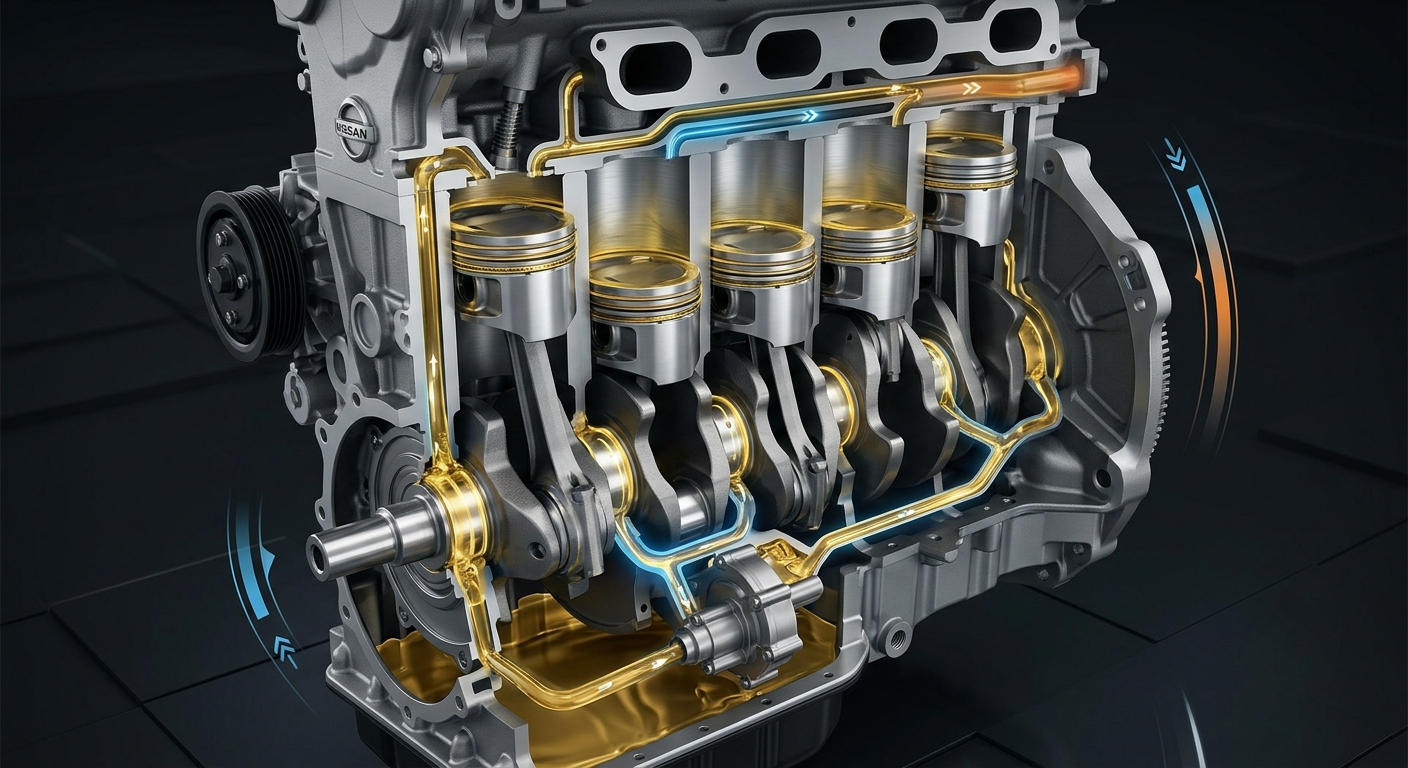
Changing your car’s engine oil is essential because fresh oil lubricates internal moving components, dissipates operational heat, neutralizes corrosive combustion acids, and cleans away harmful debris. Over time, heat and mechanical stress break down oil viscosity, leading to friction, metal-on-metal wear, reduced fuel economy, and potential catastrophic engine failure. Here’s what Gallatin-area shoppers should know about nissan oil change.
Motor oil serves as the mechanical bloodline of any internal combustion vehicle. Under normal driving conditions, Nissan vehicles operating on full synthetic oil generally require an oil and filter change every 5,000 to 7,500 miles or roughly every six months. However, severe driving conditions significantly shorten fluid lifespans. Frequent short trips under 10 miles, extensive stop-and-go commuting, prolonged idling, and dusty environments cause fuel dilution and moisture buildup inside the engine crankcase. Under these rigorous conditions, service schedules usually shorten to intervals of 3,750 to 5,000 miles or approximately every three months to prevent internal sludge buildup.
For example, agricultural short-tripping around farms and rural properties in Cross Plains creates demanding operating environments where engine temperatures fluctuate repeatedly without burning off condensed moisture. Adhering to regular oil changes removes those trapped acids and dirt particles before they score cylinder walls or damage precision bearings. Keeping up with regular maintenance schedules at our Gallatin showroom ensures your powertrain remains protected under warranty while preserving your vehicle’s long-term value.
Staying proactive with basic preventative care protects your investment and ensures daily driving reliability. Beyond standard vehicle maintenance, our team stays active in supporting local families through initiatives like our annual High School Car Giveaway program. To speak with our service department or ask about recommended maintenance schedules, give our team a quick call today.
Table of Contents
- What Does Engine Oil Actually Do Inside Your Engine?
- How Does Motor Oil Regulate Temperature and Prevent Corrosion?
- How Does Engine Oil Clean Internal Components and What Is the Filter’s Role?
- What Are the Different Motor Oil Types Available for 2026 Vehicles?
- Why Do 2026 Nissan Vehicles Require Synthetic Oil and Can You Switch Types?
- What Are the Warning Signs and Risks of Neglecting Routine Oil Service?
- Common Questions About Nissan Oil Maintenance and Service Intervals
- Keep Your Nissan Running Smoothly with Proper Maintenance
What Does Engine Oil Actually Do Inside Your Engine?
Engine oil performs four vital mechanical duties inside an internal combustion engine: lubricating moving metal components, transferring heat away from combustion chambers, suspending dirt particles, and sealing tiny gaps between pistons and cylinder walls. Without a continuous film of clean oil, high-speed metal parts generate extreme friction that destroys precision engine tolerances within minutes.
Modern powertrains operate under tight mechanical tolerances where metal surfaces move past each other thousands of times per minute. In models like the 2026 Nissan Altima equipped with a 2.5L engine, fresh engine oil creates a microscopic fluid barrier between bearings, crankshaft journals, and valve lifters. This hydrodynamic lubrication prevents direct surface contact, allowing components to move smoothly while reducing parasitic mechanical drag to support efficiency.
Proper lubrication directly affects vehicle longevity, keeping engines quiet and responsive over years of daily service. Commuters driving along state routes from Portland into surrounding employment hubs place consistent thermal and mechanical demands on their vehicles, making steady oil film strength critical during high-speed highway cruising. Ensuring that pre-owned vehicles have received routine oil changes is one of the most effective ways to guarantee long-term mechanical reliability when browsing our pre-owned vehicle inventory.
When motor oil degrades, its fluid film thins out, allowing metal components to touch. This initial wear manifests as subtle mechanical drag and reduced throttle responsiveness before expanding into severe component scoring. Maintaining fresh, properly weighted motor oil preserves internal tolerances and keeps your powertrain delivering optimal output throughout its operational lifespan.
Engine & Performance
Powertrain specs by trim
| Feature | 2.5 SR | 2.5 SR AWD | 2.5 SV | 2.5 SV AWD |
|---|---|---|---|---|
| Engine | 2.5L | 2.5L | 2.5L | 2.5L |
| Horsepower | 188 hp | 182 hp | 188 hp | 182 hp |
| Torque | 180 lb-ft | 178 lb-ft | 180 lb-ft | 178 lb-ft |
| Transmission | Xtronic | Xtronic | Xtronic | Xtronic |
| Drivetrain | Front-wheel drive | All-wheel drive | Front-wheel drive | All-wheel drive |
How Does Motor Oil Regulate Temperature and Prevent Corrosion?
Motor oil manages up to 40 percent of an engine’s total cooling workload by absorbing intense heat directly from deep internal components that engine coolant cannot reach. Simultaneously, chemical additives within fresh motor oil neutralize moisture and acidic combustion byproducts to stop internal rust and oxidation before they pit metal surfaces.
While the radiator and liquid coolant absorb heat from the engine block and cylinder heads, motor oil circulates directly around hot internal parts like pistons, connecting rods, and crankshafts. As oil sprays onto the undersides of pistons, it absorbs thermal energy created by fuel combustion and drains back into the oil pan, where air flowing underneath the vehicle cools the fluid. If oil breaks down and loses thermal stability, heat builds up rapidly inside combustion chambers, accelerating oil breakdown and risking warped cylinder heads or burnt valves.
Chemical corrosion poses an equally dangerous threat to engine components. Every combustion cycle creates acidic gas and water vapor. Fresh motor oil contains specialized base-neutralizing additives that bind to these acidic compounds, creating a protective barrier across bare steel and aluminum surfaces. Over time, these additives deplete as they neutralize contaminants. Regular maintenance ensures fresh anti-corrosion chemistry is always active inside your crankcase. Maintaining a complete record of timely oil service helps preserve mechanical health, which pays off directly when evaluating your trade-in online for a future vehicle upgrade.
How Does Engine Oil Clean Internal Components and What Is the Filter’s Role?
Motor oil cleans internal engine surfaces by using detergent and dispersant additives to dissolve carbon residue and hold microscopic soot particles in fluid suspension. The oil filter then traps these suspended contaminants as fluid circulates, preventing abrasive grit from recycling through engine bearings and valve mechanisms.
During combustion, unburned fuel residue, carbon soot, and tiny metal wear fragments enter the crankcase. Detergents in fresh motor oil wash these deposits off internal metal walls, while dispersants break soot clusters into sub-micron particles so they remain suspended in the fluid rather than settling into dark, gelatinous sludge. Without these active cleaning chemicals, sludge collects in low-flow areas like oil pans, valve covers, and narrow oil passages, eventually starving critical components of lubrication.
The oil filter acts as the primary defense barrier in this continuous cleaning cycle. As oil pressure pushes fluid through the filter media, synthetic or cellulose fibers catch dirt and metal fragments while allowing clean oil to flow back into the engine block. Over thousands of miles, the filter media fills with trapped debris. If left unchanged, a clogged oil filter triggers an internal bypass valve to prevent oil starvation, which unfortunately allows dirty, unfiltered oil to circulate freely through your engine.
Using high-quality factory filters during routine maintenance keeps the cleaning system functioning as designed. Drivers performing their own basic maintenance can ensure proper fitment and fluid flow by ordering OEM filters online directly from our parts department. If unexpected repair needs arise from past deferred service, our team can walk you through our online financing application to keep maintenance manageable and your vehicle safe on the road.
What Are the Different Motor Oil Types Available for 2026 Vehicles?
Modern automotive engines rely on four primary motor oil categories: full synthetic, synthetic blend, high mileage, and conventional oil. Full synthetic oils offer maximum thermal protection and low-temperature flow, synthetic blends provide a balance of stability and value, high-mileage formulations contain seal conditioners for older engines, and conventional oils suit older, low-stress designs.
Full synthetic oil is chemically engineered from uniform molecular structures to resist extreme heat breakdown, oxidation, and sludge formation. This consistent structure allows full synthetic fluid to flow instantly during cold morning starts while maintaining thick protective film strength under hot operating conditions. Synthetic blends mix conventional crude base stock with synthetic oils to improve thermal stability over standard conventional oils. High-mileage oils include extra seal-swelling agents and anti-wear additives designed to reduce oil consumption in vehicles with over 75,000 miles.
Engine engineering dictates the exact oil viscosity and formulation required for optimal performance. For example, the 2026 Nissan Altima lineup relies on precise mechanical designs across its trim levels:
- 2.5 SV: Powered by a 2.5L engine generating 188 hp and 180 lb-ft of torque with Front-wheel drive and the Xtronic continuously variable transmission.
- 2.5 SV AWD: Features the 2.5L engine producing 182 hp and 178 lb-ft of torque with All-wheel drive and the Xtronic transmission.
- 2.5 SR: Standard with a 2.5L engine delivering 188 hp and 180 lb-ft of torque paired with Front-wheel drive and the Xtronic transmission.
- 2.5 SR AWD: Equipped with the 2.5L engine generating 182 hp and 178 lb-ft of torque with All-wheel drive and the Xtronic transmission.
Matching the correct synthetic oil formulation to these modern powertrains ensures smooth variable valve timing operation and protects internal components. You can explore our current selection of new Nissan models to learn more about updated service recommendations, or check out our local Nissan dealership guide for local care options.
Why Do 2026 Nissan Vehicles Require Synthetic Oil and Can You Switch Types?
Modern 2026 Nissan vehicles require full synthetic oil because engineered tight manufacturing tolerances and high-temperature turbochargers demand superior fluid stability that conventional oils cannot provide. While drivers can switch between synthetic and conventional oils without chemically damaging an engine, using conventional oil in a vehicle specified for full synthetic risks oil breakdown, increased wear, and potential warranty complications.
Contemporary engine designs feature ultra-precise clearances between moving parts and use low-viscosity oils like 0W-20 to minimize fluid friction and maximize fuel economy. Models featuring advanced forced induction—such as the 2026 Nissan Rogue with its 1.5L variable-compression turbocharged engine—subject motor oil to intense thermal stress as fluid flows through hot turbocharger bearings. Full synthetic oil withstands these high operating temperatures without scorching or turning into carbon deposits that clog oil lines.
When local owners bring a Rogue or Altima in for routine maintenance, they frequently ask whether switching back to conventional oil is safe; our service team explains that tight bearing clearances and turbocharger cooling demand the heat resistance of 0W-20 synthetic oil. Reverting to lower-grade oil risks severe thermal degradation and sludging. Staying with factory-recommended synthetic oil preserves your vehicle’s 5-year / 60,000-mile powertrain warranty coverage and delivers optimal fuel efficiency. You can discover more about our dedication to transparent owner care by reviewing the reasons local drivers choose Newton Nissan.
What Are the Warning Signs and Risks of Neglecting Routine Oil Service?
Neglecting routine oil changes causes motor oil to oxidize, lose viscosity, and turn into thick sludge, resulting in warning signs like dark gritty fluid, metallic engine knocking, burning oil odors inside the cabin, elevated engine temperatures, and illuminated oil pressure lights. Allowing dirty or depleted oil to circulate leads to severe friction damage, warped engine parts, scored bearings, and eventual complete engine failure.
Recognizing early warning signs prevents minor maintenance oversights from escalating into costly repairs:
- Dark and Gritty Oil: Fresh oil exhibits a translucent amber color. Oil that appears pitch black, thick, or gritty on the dipstick is saturated with carbon debris and can no longer protect internal components.
- Engine Knocking or Ticking: Depleted oil fails to maintain a hydraulic cushion between valvetrain components and bearings, causing metallic clicking or heavy knocking noises during acceleration.
- Burning Oil Smell: A distinct burnt oil smell inside the passenger cabin indicates fluid leaking onto hot exhaust manifolds or an engine running hot due to poor lubrication.
- Dashboard Warning Lights: Illumination of the oil pressure warning light or check engine light indicates critical fluid loss or dangerous pressure drops that require immediate attention.
- Engine Overheating: Because motor oil carries heat away from internal components, degraded fluid leads to elevated operational temperatures on your dashboard cluster gauge.
Ignoring these symptoms allows sludge to choke internal oil channels, starving upper valvetrain components. Continuous metal-on-metal contact causes rapid heat expansion, scoring cylinder walls, galling crankshaft journals, and potentially throwing connecting rods through the engine block. Timely oil service eliminates these risks and maintains total driving confidence.
Common Questions About Nissan Oil Maintenance and Service Intervals
Q: How long can a Nissan go between full synthetic oil changes under normal driving conditions?
Under ideal driving conditions, late-model Nissan vehicles using full synthetic oil can safely travel between 5,000 to 7,500 miles or up to six months between service visits. Driving primarily on steady highway trips in mild weather permits longer intervals up to 10,000 miles or 12 months, provided you use factory-recommended synthetic oil and an OEM filter.
Q: Does short-trip daily driving count as severe service for engine oil?
Frequent short trips under 10 miles prevent motor oil from reaching its full operating temperature of roughly 200 degrees Fahrenheit. When oil stays cool, combustion moisture and unburned fuel vapor condense inside the crankcase rather than burning off. This dilutes the oil, accelerates sludge formation, and warrants shortening oil change intervals to 3,750 to 5,000 miles.
Q: Will changing my oil at an independent facility void my factory powertrain warranty?
Servicing your vehicle at an independent facility will not void your factory warranty, provided the service uses the correct manufacturer-recommended oil weight and spec, and you keep thorough records. Nissan’s 5-year / 60,000-mile powertrain warranty requires adherence to maintenance schedules, so saving dated receipts that show fluid grades and filter part numbers protects your coverage.
Q: Why does motor oil turn dark black after a few thousand miles of driving?
Motor oil darkens because detergent additives actively trap carbon soot, dust, and combustion byproducts to keep them from building up on metal parts. Dark fluid shows the oil is doing its job by keeping contaminants suspended. However, if the fluid feels abrasive between your fingers or smells burnt, it is saturated and needs immediate replacement.
Q: Can running low on engine oil cause permanent internal damage even if the temperature gauge looks normal?
Operating an engine with low fluid levels causes severe hydraulic pressure drops and starves critical components like camshafts, bearings, and valve lifters. Metal components rub together directly, damaging micro-surfaces long before the coolant gauge registers an overheating warning. Low oil levels can score precision bearings within minutes.
Pricing
Pricing by trim
| Feature | 2.5 SR | 2.5 SR AWD | 2.5 SV | 2.5 SV AWD |
|---|---|---|---|---|
| Base MSRP | $28,980 | $30,480 | $27,580 | $29,080 |
| Destination charge | $1,245 | $1,245 | $1,245 | $1,245 |
Fuel Economy
Fuel economy and range by trim
| Feature | 2.5 SR | 2.5 SR AWD | 2.5 SV | 2.5 SV AWD |
|---|---|---|---|---|
| MPG | 26 city / 36 hwy / 30 combined | 25 city / 33 hwy / 28 combined | 26 city / 36 hwy / 30 combined | 25 city / 33 hwy / 28 combined |
Keep Your Nissan Running Smoothly with Proper Maintenance
Maintaining fresh motor oil is the single most effective action you can take to preserve engine performance, fuel efficiency, and long-term resale value. Following recommended maintenance schedules ensures your vehicle stays reliable for daily commutes, family road trips, and weekend drives.
When you bring your vehicle in for oil service, certified technicians drain old fluid, replace the oil filter, refill the engine with exact factory-specified synthetic oil, and perform a multi-point inspection to catch minor wear items early. Combining oil service with routine tire rotations ensures balanced tire wear and consistent handling across all seasons.
Scheduling routine service appointments fits easily into busy family schedules. You can visit our service center in Gallatin for quick maintenance, or give our team a call at (615) 442-3090 to reserve your next service slot today. Have questions about nissan oil change? Call Newton Nissan of Gallatin.
0 comment(s) so far on Why a Nissan Oil Change is Important?